

Air, Water, Soil Pollution Rising: What Cities Are Doing to Fight Back
Pollution in cities is rising. Learn about effective measures, green initiatives, and innovations making air, water, and soil cleaner.
image for illustrative purpose
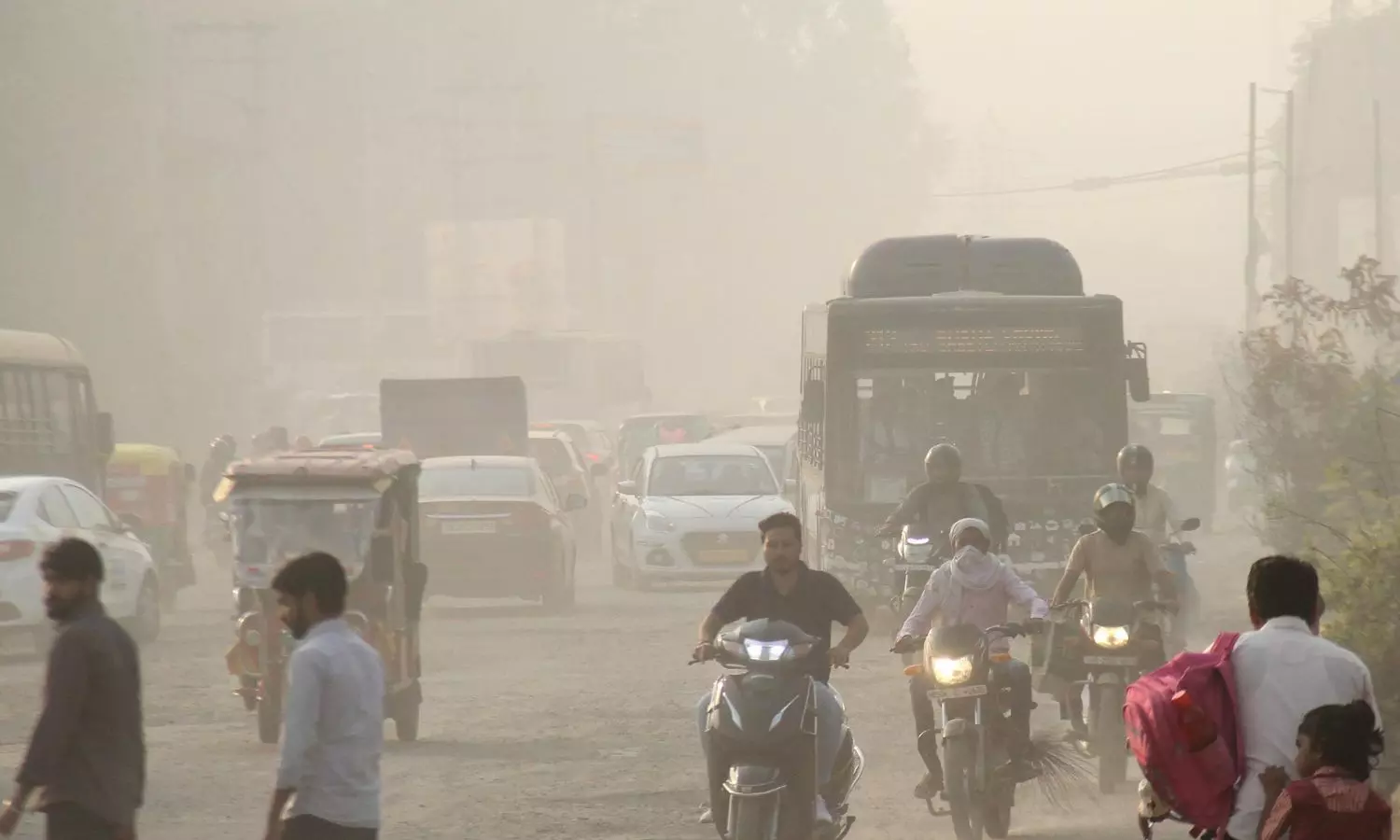
The Earth has changed from being an unending sink for human refuse to a more limited one. It has come to the point where the pollution-curbing measures are necessary to coexist with industrial activities due to the years of uncontrolled gases and smoke from industries and factories swallowing the air around them. The professionals underscore that the protection of air, water, and soil is an indispensable factor for the health of mankind and the stability of the ecosystem.
Sometimes, one cannot see pollution. The exhaust from cars that is barely visible to the naked eye, chemical remains in the rivers, and tiny particles of plastics in the oceans are just a few of the dangers that exist. The fact that the different kinds of pollutants are present in various forms means that solving the problem will require a combined effort from all aspects such as science, technology, policy, and public involvement.
Air quality is still the biggest worry in the Indian metropolises. The vehicle emissions, dust from construction sites, smoke from factories, and burning of waste materials are all sources of very fine particulate matter, which is very harmful as it can be deeply inhaled, and thus it affects the respiratory system, heart, and even brain development of the child in the womb.
The cities are implementing a series of measures, which includes clean fuels, emission standards that are strictly enforced, electric transport, public transit that is expanded, and urban greening. Also, the city's major pollution areas are being tested with new technologies like smog-eating towers and green roofs for winter smog reduction.
Rivers act as highways for the movement of pollutants from the source to the ultimate destination, thus the ecosystems get contaminated all the way from the source to the river mouth. The major contributors in this regard are domestic sewage, industrial waste, runoff from agriculture, and plastic waste. Apart from investing in the construction of wastewater treatment plants, countries are also restoring wetlands to act as the natural filter of pollutants.
The cities are promoting the use of biodegradable alternatives to plastics, prohibiting the dumping of wastes on riverbanks, and conducting awareness programs about littering with plastics. The prevention of new pollution is as important as the removal of old contamination.
Soil pollution influences the amount of food grown, the quality of the land, and the purity of the underground water. Insecticides, dumping grounds, and poor management of waste areas are some of the major contributors to the problem. By means of better waste separation, organic farming, safe disposal of poisonous materials, and the use of phytoremediation—plants that absorb toxins—for soil restoration, experts suggest the way to go forward. The farmers are now connecting productivity with the preservation of nature more and more rather.
The personal preferences—in this case, the use of bags made of cloth, cutting down of plastic, energy conservation, riding bicycles, and composting—are the major factors in pollution control. Environmentally friendly practices by communities lead the way for the governments and industries to take the same path, consequently, the whole area enjoys a better environment.
New technologies are making a significant contribution to fighting pollution. Treatments for real-time air quality checking, satellite tracking of oil spills and electric public transport, solar energy generation, and waste-to-energy facilities are among the usual suspects. Hidden small but impactful innovations such as disposable cutlery made from plant-based materials or refillable bottles are together going the long way in the fight against the environment being under stress.
People living in close proximity to manufacturing sites, highways, or waste dumps suffer the most from pollution among already needy groups. Authorities should not only ensure the availability of clean air and water to all but also that the aforementioned groups receive protection. The point made by the experts is that being environmentally healthy is a right, not a privilege.
Microplastics have made their way to the oceans, soils, food and even human blood by now. The planets collaboration is the only way to fix this problem that involves the complete ban on single-use plastics, better recycling systems, biodegradable packaging, and public awareness campaigns. Certain countries have enforced complete bans while others are gradually moving toward plant-based or seaweed alternatives.
Pollution control has been very effective in measuring outcomes. Public transport that is cleaner provides better air quality, rivers that have been restored give life to fish and plants, and controlled use of plastic keeps shores free from trash. The preservation of forests also contributes to lowering local temperatures, which shows that nature can recover if given a chance.
Pollution control is an ongoing dedication, which merges technology, policy and personal responsibility. Teaching the upcoming generation about air, water and soil conservation is the way to a sustainable future. According to the experts, the pollution control measures taken today are what will determine the livability of tomorrow.





